London Tar — Surfacing Contractors
Tarmac Surfacing by London Tar in Surrey

Tarmac Surfacing in Dorking

Dorking tarmac surfacing, machine-laid for footpaths, private roads, playgrounds and general hardstanding.

01306 278051

Get a free quote

Tell us about your project and we’ll be straight back with a free, no-obligation quote.

Machine-laid finish

Ready in 24–48 hours

Neat, level edges

Free site survey

Overview

Tarmac Surfacing in Dorking

If you are after tarmac surfacing in Dorking, London Tar covers Dorking and works across all of Surrey.

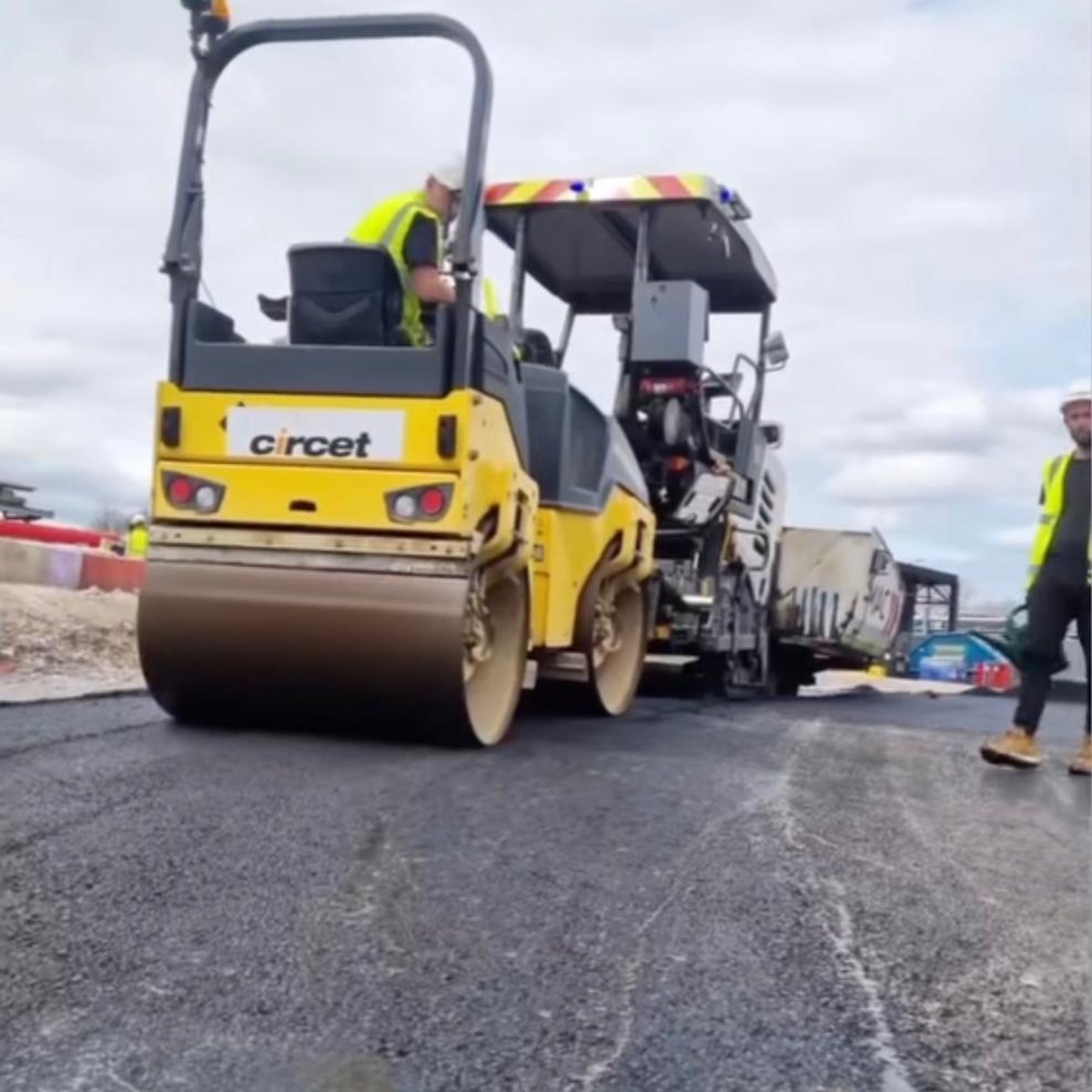
Wherever foot traffic or vehicles are regular, tarmac offers a hard-wearing finish at a sensible cost. We lay it across Dorking for hardstanding, yards, school grounds, private roads, footpaths and playgrounds, using British Standards materials and the right plant for an even, smooth result.

It suits a wide range of jobs. Laying is quick, traffic can usually return within a day or two, and the price per square metre is lower than resin or block paving. Heavier-use sites get a base course and a surface course, rolled hot so the finish is dense and even, and edged neatly at kerbs, buildings and older surfaces. Underneath, the ground is excavated to depth and each layer compacted before the top course goes down, since the finish relies on that preparation.

What’s included

  • Excavation to the depth required, after site clearance
  • A compacted sub-base for the intended use
  • Base course and surface course, machine-laid and rolled
  • Neat joins against kerbs, buildings and existing surfaces
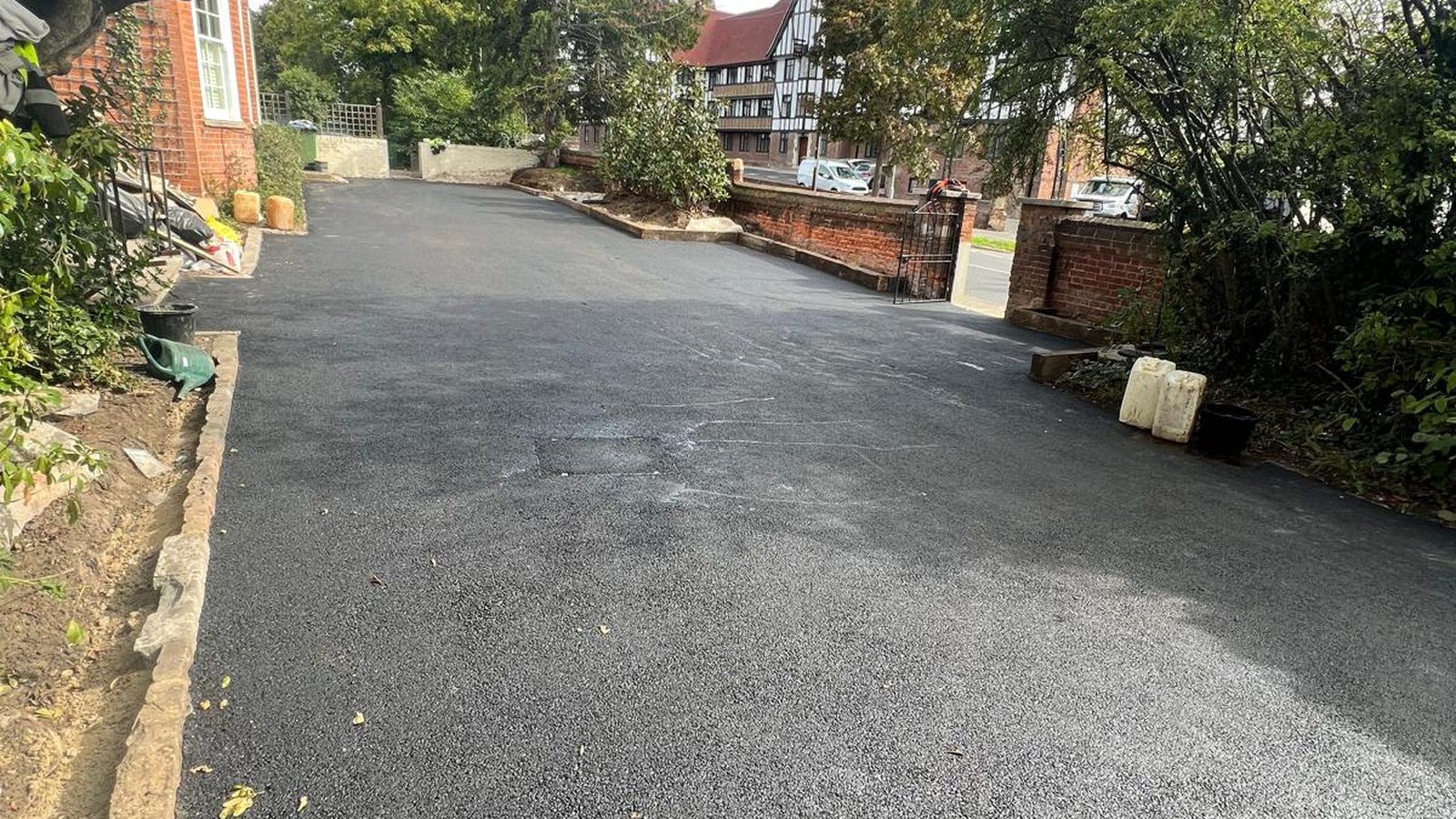
Tarmac Surfacing completed by London Tar in Surrey

How we work

From survey to finished surface

  1. 1

    Free site survey

    The survey is a site visit to measure and discuss your plans, and it carries no obligation.

  2. 2

    Written quote

    Your quote is written and itemised, and you have it well before any work, so there are no unexpected costs.

  3. 3

    Groundwork and preparation

    Excavation to a suitable depth, a well compacted sub-base, and drainage and edgings sorted before any tarmac arrives.

  4. 4

    Laying and compaction

    Machine laying is used where the job allows, with compaction giving a level, durable surface.

  5. 5

    Sign-off and clear-up

    You inspect the work with us at handover, and we remove the waste so the site is left clean.

Pricing

How much does tarmac surfacing cost?

After a free site survey you get your quote. The cost is mostly shaped by:

  • How large the area is and machine access
  • Excavation depth and amount of sub-base
  • One layer of tarmac or two
  • Edging and drainage needed
Tarmac Surfacing by London Tar in Surrey

Why choose us

Why choose London Tar for tarmac surfacing

A smart finish counts, but the build beneath it and how we work around you count for more.

Each layer compacted to give a lasting surface

Approved-supplier materials to British Standards

Finished levels and edges checked before we go

Areas we cover

Tarmac Surfacing near Dorking

For tarmac surfacing in Dorking or anywhere else in Surrey, London Tar works with commercial and domestic clients alike. Ring 01306 278051 for a free quote, wherever your site is in the county. Tarmac surfacing in nearby towns:

See tarmac surfacing across all of Surrey →

Covering Surrey

45+ towns & boroughs

FAQs

Tarmac Surfacing FAQs

Is tarmac suitable for a sloped site?

Yes. Tarmac can be laid on a gradient as readily as on the flat; what a slope changes is the drainage design. Falls are planned so water drains away from buildings, and a channel or gully is added where the ground slopes back towards them. On a Dorking site with sloping access or grounds, that helps with your duty of care to people on site, and it supports planning rules on runoff reaching a permeable area.

Can you match into an existing tarmac surface?

Yes. We cut the old surface back to a firm edge, then tie the new tarmac in so the joint does not open or lift. That makes it straightforward to add to an existing yard, forecourt or car park in Dorking, or to replace a broken section, and have it meet the old surface neatly.

How thick should a tarmac surface be?

Thick enough for the heaviest vehicle that will use it. A tarmac surface combines a compacted sub-base, a binder course and a surface course, each deeper for delivery vans and HGVs than for staff cars or pedestrians. British Standards give a minimum thickness for every mix. If tarmac sinks under parked vehicles, the sub-base is usually to blame. Tell us what will use the site and the quote spells out the layers.

How soon can I use it after laying?

Normally within 24 to 48 hours, depending on weather and layer thickness, with exact timings confirmed before we start so you can tell staff, tenants and suppliers. Tarmac keeps hardening for weeks and stays softer in hot weather. Vehicles should not turn their wheels on the spot early on, and jacks, stands, skips and other point loads are best kept off for a while.

Do you offer coloured tarmac?

Yes. Red and other coloured tarmacs are available for parts of a site where plain black does not suit, such as a pedestrian path or a play area set apart from vehicle routes. The options are shown at the survey, so the choice is made on site with you.

Do we need planning permission to tarmac a yard, forecourt or car park?

Not if the area is small and drains well. Part 7, Class E permitted development usually allows up to 50 m² of new hard surface at qualifying commercial premises, as long as the surface is porous or sends water to a permeable area. Listed buildings are not covered, and industrial premises and schools have separate classes. That is general guidance, not legal advice, so please check with the council.

Can you lay tarmac over an existing concrete or tarmac surface?

It depends on the condition underneath. A sound concrete or tarmac surface can be overlaid, which national guides say can cost up to 30 to 40% less than a full dig-out. Cracked, shifting or sunken bases are different: the faults reflect through, so the old surface has to be removed. Getting layer thickness right matters as well, because each mix has a British Standards minimum. The survey settles which approach your site needs.

Is tarmac cheaper than block paving, resin or concrete for a commercial site?

In most comparisons, yes. National price guides place tarmac below block paving, concrete and resin bound per square metre, with gravel the only cheaper option. Because guides differ, ask for prices on the same area and sub-base. Upkeep and life matter too: block paving is put at roughly 20 to 30 years but needs more regular care, while tarmac is less decorative, is not permeable and can fade.

How much does tarmac surfacing cost in Dorking?

No two Dorking sites cost the same, so a free survey comes first. The price is shaped by the size and shape of the area, the loads it carries, access, excavation and sub-base depth, one or two layers, edging, drainage and waste disposal, plus a council fee if a new crossover is needed. National guides note higher prices near London. You then get a clear written quote, itemised so you can see each cost.

Can tarmac be laid in the rain or in winter?

Light rain usually is not a problem, but the British Standard says asphalt must not be laid on standing water, ice or snow. Cold matters as much as wet, since tarmac needs compacting hot and thin surface layers cool quickly in wind. Price guides suggest not laying below 5°C ground temperature or in heavy rain. We confirm your timings before the work begins, so the site can plan around them.

How long does a tarmac surface last, and why do some break up early?

National guides put it at up to around 15 years, or 15 to 20 years or more if well maintained. When tarmac breaks up early, look underneath: a thin or poorly compacted sub-base causes sinking under heavy vehicles and lifting round covers, a single thin layer crumbles and pits, and unsealed seams let water in. We excavate to depth, compact every layer and roll a base and surface course hot.
Call nowGet a quote