London Tar — Surfacing Contractors
Tarmac Surfacing by London Tar in Surrey

Tarmac Surfacing in Staines-upon-Thames

Staines-upon-Thames tarmac surfacing for footpaths, hardstanding, private roads and playgrounds, laid and rolled by machine.

01784 775918

Get a free quote

Tell us about your project and we’ll be straight back with a free, no-obligation quote.

Machine-laid finish

Ready in 24–48 hours

Neat, level edges

Free site survey

Overview

Tarmac Surfacing in Staines-upon-Thames

Need tarmac surfacing in Staines-upon-Thames? London Tar covers Staines-upon-Thames and the whole of Surrey.

On ground that has to take daily wheels or footfall, tarmac is a durable choice that keeps the budget in check. London Tar lays it in Staines-upon-Thames for private roads, school grounds, hardstanding, yards, footpaths and playgrounds, with materials to British Standards and the right machinery for a level, smooth surface.

Bituminous macadam adapts to most uses. It is laid fast, normally takes traffic again within a day or two, and per square metre undercuts resin and block paving. Where use requires, the build has a base course and a surface course, rolled while hot for a dense, even finish, with edges trimmed neatly to kerbs, buildings and existing surfaces. Since the surface depends entirely on what is beneath, the ground is excavated to depth and every layer compacted before the top goes on.

What’s included

  • Clearing and excavating the site to the right depth
  • A sub-base compacted to the use you have in mind
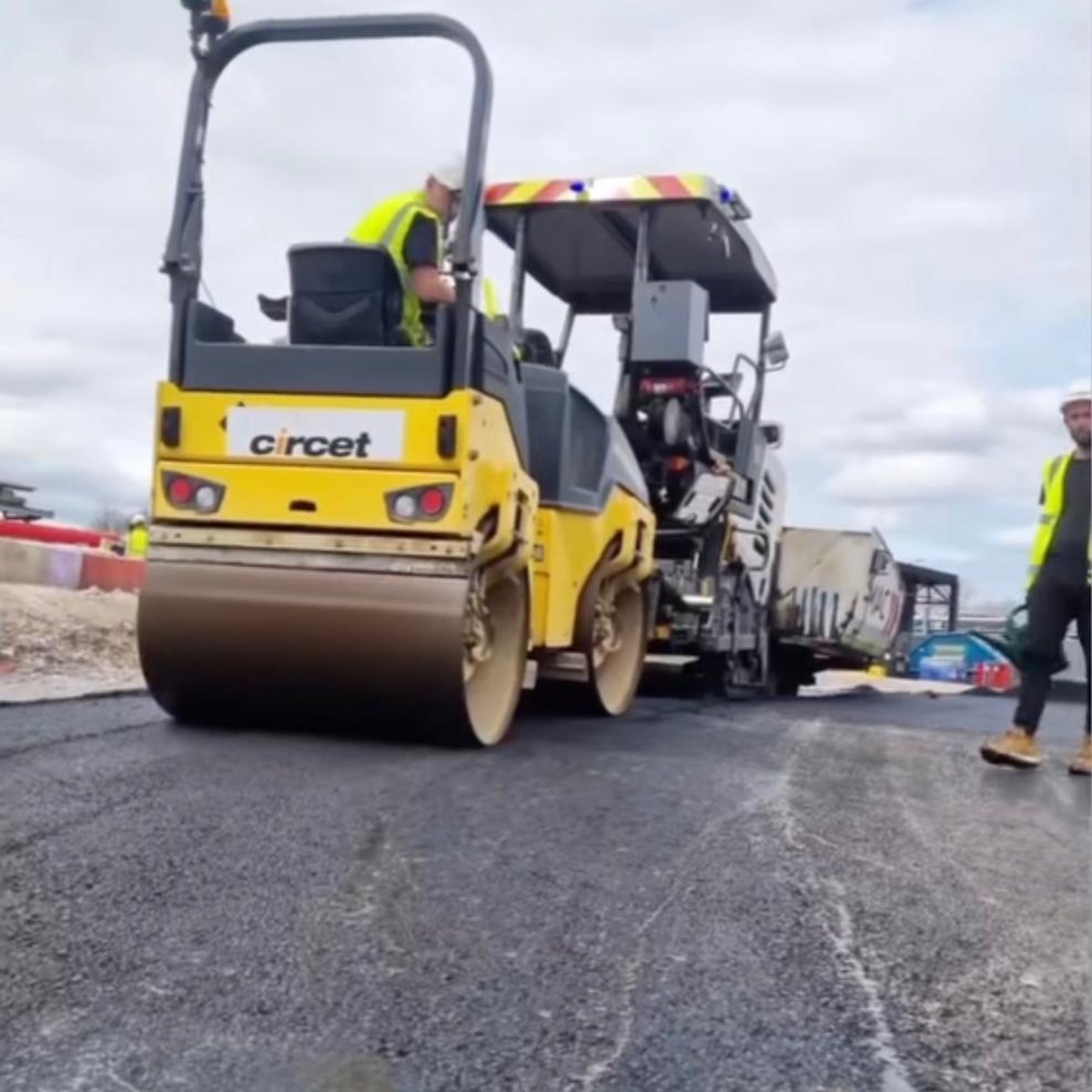
  • Base and surface courses laid by machine, then rolled
  • Neatly cut edges to kerbs, buildings and other surfaces
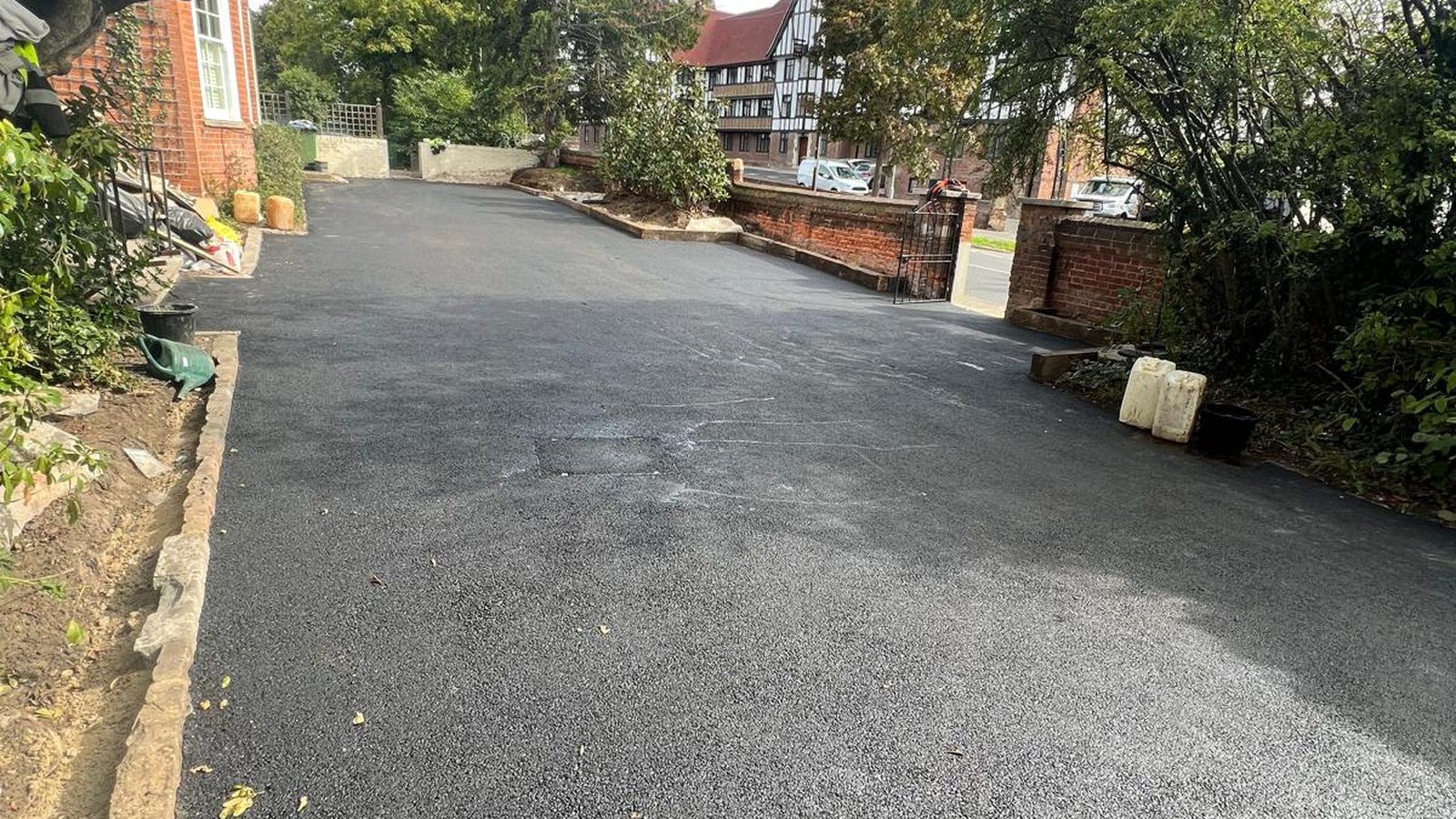
Tarmac Surfacing completed by London Tar in Surrey

How we work

From survey to finished surface

  1. 1

    Free site survey

    A free visit where we take measurements and talk about your plans. Booking afterwards is your call.

  2. 2

    Written quote

    You get a clear breakdown of the price in writing before work begins, with nothing added afterwards.

  3. 3

    Groundwork and preparation

    Preparation means digging to the right depth, compacting a sub-base and getting edging and drainage in place.

  4. 4

    Laying and compaction

    The tarmac is spread by machine where possible and compacted to a flat, durable finish.

  5. 5

    Sign-off and clear-up

    We finish with a joint walk-round, then take our waste off site and leave it tidy.

Pricing

How much does tarmac surfacing cost?

We survey free of charge first, then quote. Here is what moves the figure:

  • Total area and ease of machine access
  • Depth of digging and sub-base
  • One or two layers of tarmac
  • Drainage and edging requirements
Tarmac Surfacing by London Tar in Surrey

Why choose us

Why choose London Tar for tarmac surfacing

Finish is just the visible part. How the surface is put together, and how we work around you, is what makes the difference.

Compaction at every stage, so the surface keeps its shape

Approved suppliers and British Standards materials

Edges and levels checked before handover

Areas we cover

Tarmac Surfacing near Staines-upon-Thames

London Tar provides tarmac surfacing to businesses and households in Staines-upon-Thames and across the county. Call 01784 775918 for your free quote, wherever your site is in Surrey. Tarmac surfacing in nearby towns:

See tarmac surfacing across all of Surrey →

Covering Surrey

45+ towns & boroughs

FAQs

Tarmac Surfacing FAQs

Is tarmac suitable for a sloped site?

As long as the drainage is designed in, tarmac works well on a slope. On sloping sites we set the falls so rainwater is carried away from buildings, and we add a drainage channel where the ground falls towards them. For premises in Staines-upon-Thames, that keeps runoff off walkways and loading areas and supports planning expectations that water from hard surfaces reaches a permeable area.

Can you match into an existing tarmac surface?

As standard, yes: the existing tarmac is cut back to a firm edge and the new material tied into it so the seam stays sealed and will not lift. That is how a yard extension, new parking area or replaced section can meet the existing surface on your site.

How thick should a tarmac surface be?

As thick as the heaviest vehicle demands. Tarmac is built in layers over a compacted sub-base: a binder course, then a surface course. Each gets deeper as the load rises from foot traffic to cars, vans and HGVs. British Standards give minimum thicknesses per mix. A yard that sinks under lorries usually has a weak sub-base. Tell us what will use the surface, and the build-up is written into your quote.

How soon can I use it after laying?

As a rule, after 24 to 48 hours, depending on weather and layer thickness, and we confirm timings with you before the job so staff, visitors and deliveries can be routed around it. Tarmac carries on hardening for weeks, more slowly in warm spells. Meanwhile, drivers should not turn the steering with the vehicle stationary, and skips, jacks and stands should stay off it.

Do you offer coloured tarmac?

As well as black, red and other coloured tarmacs are available where a plain finish is not wanted. Colour can help mark a footpath, a play area or a separate zone on commercial or school grounds. We will show you the options when we survey your Staines-upon-Thames site.

Do we need planning permission to tarmac a yard, forecourt or car park?

As a general guide, often not for small areas. Part 7, Class E permitted development usually allows qualifying commercial premises up to 50 m² of new hard surface, on condition it is porous or drains to a permeable area. It does not apply to listed buildings, and schools and industrial premises are dealt with under other classes. As this is not legal advice, check with the council.

Can you lay tarmac over an existing concrete or tarmac surface?

As long as the base is sound, yes. Overlaying firm concrete or tarmac skips the dig-out, and national price guides suggest savings of up to 30 to 40%. Where the surface is breaking up or moving, the new tarmac will crack and dip along with it, so it should come out. British Standards also set a minimum thickness for every mix. We check your base during the free survey and tell you honestly.

Is tarmac cheaper than block paving, resin or concrete for a commercial site?

Typically, yes. National price guides show tarmac cheaper per square metre than concrete, resin bound and block paving, and dearer than gravel. As the guides vary, compare quotes on the same area and sub-base. Factor in upkeep and life as well: block paving can last 20 to 30 years but needs more maintenance, and tarmac is plainer, non-porous and can fade with age.

How much does tarmac surfacing cost in Staines-upon-Thames?

That depends on your Staines-upon-Thames site, so we price only after a free survey. The cost depends on area and shape, the vehicles it carries, machine access, how deep the excavation and sub-base go, one or two layers, edging, drainage and taking waste away. A council fee applies for any new crossover, and national guides note higher costs around London. You get a clear, itemised written quote, with no obligation to go ahead.

Can tarmac be laid in the rain or in winter?

As long as there is no standing water, ice or snow, light rain is usually workable; the British Standard rules out laying in those conditions. Cold is the bigger risk, since tarmac has to be compacted hot and thin top layers cool quickly in wind. Guides generally advise against heavy rain and ground temperatures under 5°C. We confirm the timings for your site before starting.

How long does a tarmac surface last, and why do some break up early?

As a guide, up to around 15 years, or 15 to 20 years or more with maintenance, according to national price guides. Surfaces that break up early usually have a thin or loosely compacted sub-base, a single thin layer or open seams, showing as sinking, crumbling, pitting or ponding. We dig out to the correct depth, compact each layer and lay a hot-rolled base and surface course to avoid all of that.
Call nowGet a quote